A tax refund feels like a bonus, but it is really your own money coming back. Here is how refunds work, how to get yours faster and the smartest ways to use it.
Why You Get a Tax Refund
A tax refund happens when the amount of tax withheld from your paychecks, or paid through estimated payments, is larger than the tax you actually owe for the year. The IRS returns the difference after you file your return.
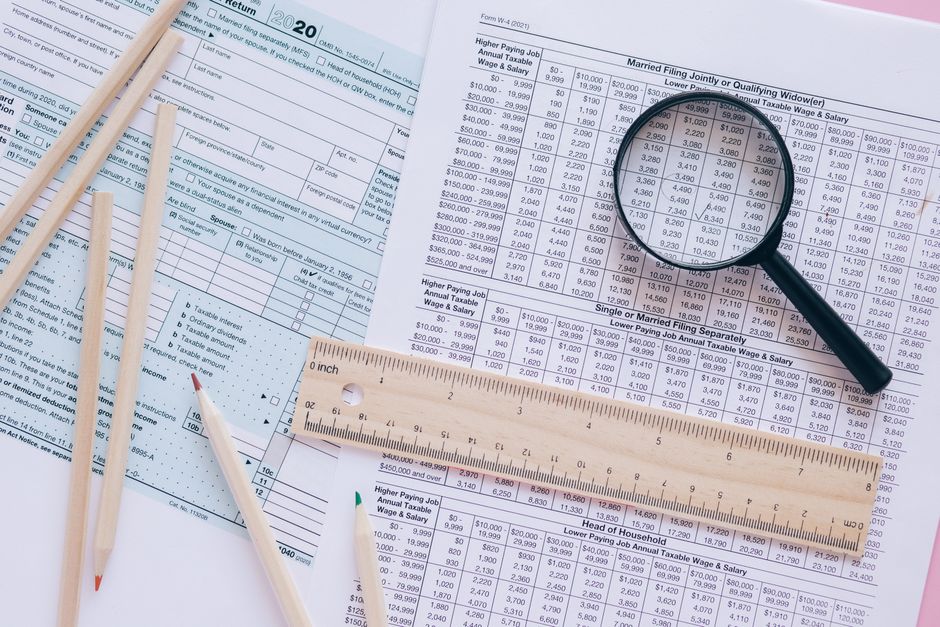
Throughout the year, your employer withholds federal income tax based on the information on your Form W-4. That withholding is an estimate, and because it rarely matches your final tax bill exactly, most people end up with either a refund or a balance due.
Refundable tax credits can also create or increase a refund. Credits such as the Earned Income Tax Credit and part of the Child Tax Credit can pay you money even if you owed little or no income tax for the year.
Life changes during the year frequently affect the outcome. Having a baby, getting married, buying a home or changing jobs can all shift your tax liability, sometimes producing a larger refund than you expected.
It is worth remembering that a refund is not free money from the government. It is your own income that was held without interest, which is why some people prefer to adjust withholding and receive more in each paycheck instead.
How to Get Your Refund Faster
Filing electronically is the fastest way to receive a refund. E-filed returns are processed much more quickly than paper returns, and the IRS states that most electronic returns with direct deposit are refunded within about three weeks.
Choose direct deposit rather than a paper check. Deposits go straight into your bank account, avoiding mail delays and the risk of a lost or stolen check, and you can even split your refund across multiple accounts.
File as early as your documents allow. Waiting until all of your W-2s and 1099s arrive is important for accuracy, but filing soon after that point puts you ahead of the late-season rush when processing can slow down.
Double-check your return before submitting it. Mistakes such as a misspelled name, an incorrect Social Security number or wrong bank details are common causes of delays that can hold up a refund for weeks.
Track your refund with the official refund status tool on the IRS website or mobile app. It shows whether your return has been received, approved and sent, so you do not need to guess about the timing of your deposit.
Smart Ways to Use Your Refund
Building or topping up an emergency fund is one of the best uses of a refund. A lump sum can create a meaningful cushion all at once, protecting you from future surprises that might otherwise end up on a credit card.
Paying down high-interest debt is another strong choice. Using a refund to eliminate a credit card balance charging over 20 percent effectively delivers a guaranteed return equal to that interest rate, which is hard to beat.
Investing for retirement can turn a one-time refund into long-term growth. Contributing to an IRA, especially if you have not yet reached your annual limit, puts the money to work for decades in a tax-advantaged account.
Funding upcoming expenses is a practical option too. Setting aside money for car maintenance, insurance premiums, holiday spending or other predictable costs reduces stress later in the year and keeps your budget on track.
Investing in yourself can also pay off. Using part of a refund for a certification, course or tool that increases your earning potential may generate returns that far exceed what the same money could earn elsewhere.
Balancing Smart Choices With Enjoyment
There is nothing wrong with spending some of your refund on something enjoyable. Financial plans that allow no room for fun are harder to maintain, and a small reward can make the rest of your savings goals feel more sustainable.
A popular approach is to divide the refund using a simple rule, such as 80 percent toward financial goals and 20 percent for something you will enjoy. This balance satisfies both your future self and your present self.
Decide how you will use the refund before it arrives. Money without a plan tends to disappear into everyday spending, but money with a clear assignment is far more likely to make a lasting difference.
Avoid committing the refund before you actually receive it. Spending in anticipation, especially with credit, can create debt if the refund turns out smaller than expected or arrives later than planned.
Be cautious with refund advance loans and anticipation products. Some are offered without fees, but others carry costs that eat into your refund, and waiting a few weeks for the real deposit is usually the better choice.
Should You Aim for a Smaller Refund?
Some people prefer a large refund because it works like forced savings. If you know you would spend extra money in each paycheck without noticing, receiving it as a lump sum may help you accomplish bigger goals.
Others would rather keep more money throughout the year. If you are carrying high-interest debt or struggling with monthly cash flow, adjusting your W-4 to reduce withholding can put that money to work immediately.
The IRS Tax Withholding Estimator on its website can help you find the right balance. By entering details about your income and deductions, you can see how changes to your W-4 would affect your paychecks and refund.
Be careful not to reduce withholding too much. Owing a large amount at tax time can be stressful, and if you underpay significantly, you may also face penalties in addition to the tax owed.
Whichever approach you choose, review your withholding each year and after major life events. A few minutes of attention can help you avoid surprises and make sure your refund, large or small, fits your financial plan.