Identity theft can drain accounts and damage your credit before you notice anything is wrong. These practical steps help you lock down your finances and respond quickly if trouble strikes.
How Identity Theft Happens
Identity theft occurs when someone uses your personal information, such as your name, Social Security number or account details, without permission. Criminals may open new credit accounts, take over existing ones, file fraudulent tax returns or obtain medical services in your name.
Data breaches are one of the most common sources of stolen information. When companies that store customer data are hacked, millions of records can end up for sale on criminal marketplaces, often without victims knowing for months.
Phishing scams are another major threat. Fraudsters send emails, texts or phone calls pretending to be banks, government agencies or well-known retailers, hoping to trick you into revealing passwords, account numbers or verification codes.
Physical theft still happens too. Stolen mail, wallets, discarded documents and card skimmers installed on gas pumps or ATMs can all give criminals the details they need to commit fraud.
The Federal Trade Commission receives hundreds of thousands of identity theft reports each year. Because the threat is so widespread, taking preventive steps is one of the most valuable things you can do to protect your financial health.
Freeze Your Credit at All Three Bureaus
A credit freeze is one of the most powerful tools available to consumers. It restricts access to your credit report, making it very difficult for anyone to open new credit accounts in your name, even if they have your personal information.
Placing a freeze is free under federal law. You need to contact Equifax, Experian and TransUnion separately, either online, by phone or by mail, and each bureau will provide a way to manage the freeze.
A freeze does not affect your credit score, and it does not prevent you from using your existing cards and accounts. It simply blocks new lenders from viewing your report until you choose to lift it.
When you need to apply for credit, you can temporarily lift the freeze at the bureau the lender uses. Many bureaus allow you to do this online in minutes and set the freeze to return automatically after a chosen period.
A fraud alert is a lighter alternative. It requires lenders to take extra steps to verify your identity before opening new credit, and placing an alert with one bureau automatically extends it to the other two.
Strengthen Your Digital Defenses
Use strong, unique passwords for every financial account. A password manager can generate and store complex passwords so you do not need to remember them, and it prevents a single breach from exposing all of your accounts.
Turn on multifactor authentication wherever it is offered. Requiring a second verification step, such as an authentication app or security key, makes it much harder for criminals to access your accounts even if they steal your password.
Be skeptical of unexpected messages asking for personal information. Legitimate banks and government agencies rarely request sensitive details by email or text, and when in doubt, contact the organization directly using a number from its official website.
Keep your phone, computer and apps updated with the latest security patches. Software updates often fix vulnerabilities that criminals actively exploit, and delaying them leaves your devices exposed.
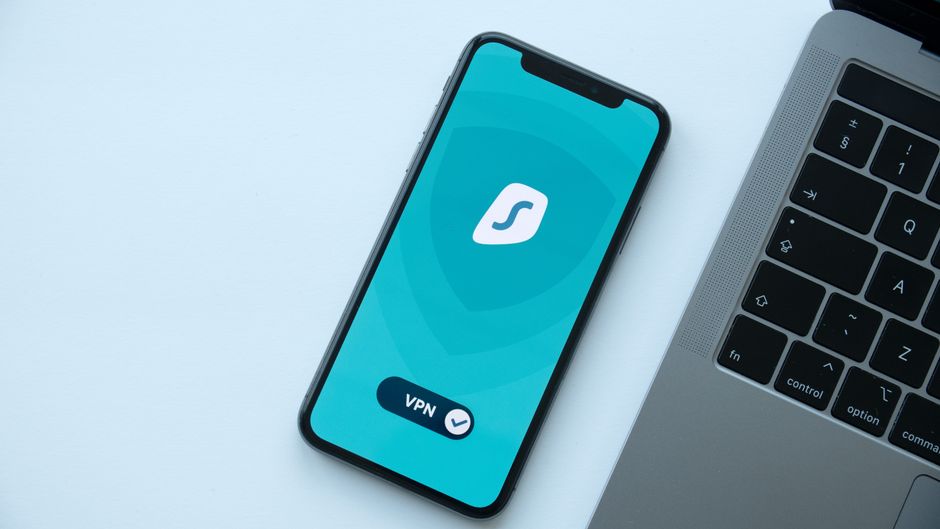
Avoid accessing financial accounts on public Wi-Fi networks without protection. If you must use public Wi-Fi, a reputable virtual private network can help encrypt your connection and reduce the risk of interception.
Monitor Your Accounts and Reports
Review your bank and credit card statements regularly. Many fraudulent charges start small as criminals test whether a stolen card works, so catching unfamiliar transactions early can prevent much larger losses.
Set up transaction alerts through your bank and card apps. Real-time notifications for purchases, withdrawals and password changes let you spot suspicious activity within minutes instead of weeks.
Check your credit reports frequently. You can access free weekly reports from all three bureaus at AnnualCreditReport.com, and reviewing them helps you spot accounts or inquiries you do not recognize.
Consider creating online accounts with the IRS and the Social Security Administration. Securing these accounts before someone else does can make it harder for criminals to impersonate you with government agencies.
Many banks and card issuers offer free credit monitoring and dark web alerts. While these tools cannot prevent theft, they can notify you quickly when your information appears in a breach or new activity shows up on your report.
What to Do If Your Identity Is Stolen
Act quickly as soon as you suspect identity theft. Contact the fraud departments of any affected banks or card issuers, close or freeze compromised accounts and change passwords for your financial and email accounts.
Report the theft at IdentityTheft.gov, the official Federal Trade Commission resource. The site creates a personalized recovery plan and an identity theft report that you can use when disputing fraudulent accounts and charges.
Place a credit freeze or an extended fraud alert with the credit bureaus if you have not already done so. Victims of identity theft are entitled to an extended fraud alert that lasts seven years.
Dispute fraudulent accounts and inquiries with each credit bureau and with the companies involved. Keep copies of every letter, report and phone call, including dates and names, in case you need to follow up.
Recovering from identity theft can take time, but federal law limits your liability for many fraudulent charges when you report them promptly. Staying organized and persistent is the best way to restore your accounts and credit.