Online banks offer higher rates and fewer fees, while traditional banks offer branches and in-person help. Here is how to decide which type of bank fits the way you manage money.
How Online and Traditional Banks Differ
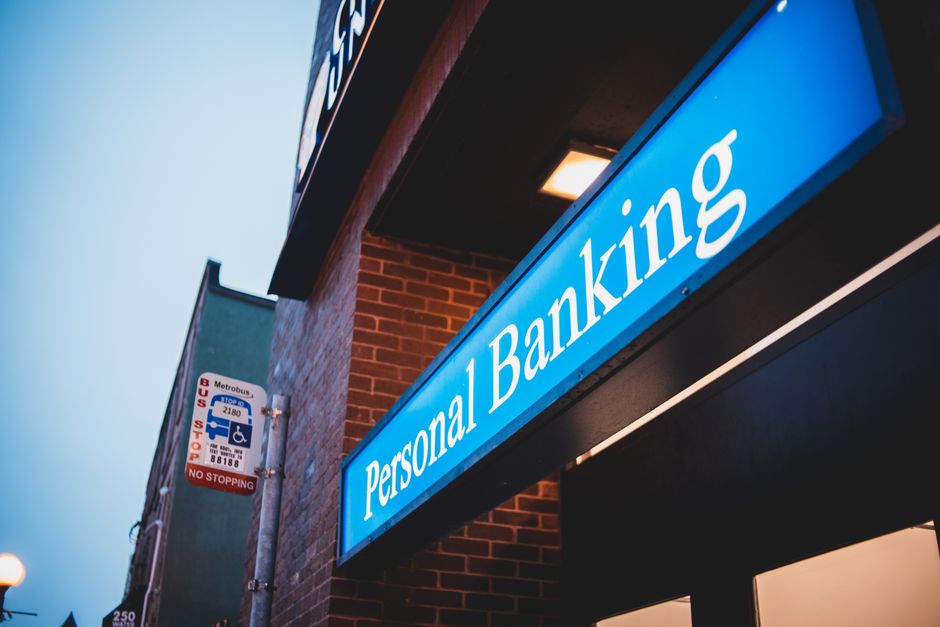
Traditional banks operate networks of physical branches where customers can open accounts, deposit cash, meet with bankers and resolve problems face to face. Many also offer mobile apps and online banking, but branches remain central to their model.
Online banks operate entirely through websites and apps. Without the cost of maintaining buildings and branch staff, they typically offer higher interest rates on savings, lower fees and fewer minimum balance requirements.
Both types of banks can be equally safe. As long as an online bank is FDIC-insured, your deposits are protected up to 250,000 dollars per depositor, per institution and ownership category, exactly like deposits at a large branch-based bank.
The line between the two has blurred in recent years. Many traditional banks have improved their digital tools, while some online banks have partnered with retailers or ATM networks to make cash access easier for customers.
The real question is not which type is better in general, but which one matches your habits. How you get paid, how often you use cash and how much you value in-person help all influence the right choice.
Advantages of Online Banks
Higher yields are the most obvious advantage. Online savings accounts frequently pay several times the national average rate, which can make a noticeable difference on an emergency fund or other savings over the course of a year.
Lower fees are another major benefit. Many online checking accounts have no monthly maintenance fees, no minimum balance requirements and reduced or eliminated overdraft fees, which can save customers a meaningful amount each year.
Convenience appeals to people who prefer handling money on their phones. Mobile check deposit, instant transfers between accounts, real-time alerts and modern budgeting tools are often standard features with online banks.
Many online banks offer access to large surcharge-free ATM networks or reimburse a set amount of out-of-network ATM fees each month. That makes getting cash easier than many people expect from a bank without branches.
Opening an account is typically fast and fully digital. Most online banks let you apply, verify your identity and fund your account in a single session, often within a few minutes, without visiting a branch or scheduling an appointment.
Advantages of Traditional Banks
In-person service is the defining advantage of a traditional bank. When you need help with a complicated issue, a disputed charge or a large transaction, sitting down with a banker can be faster and more reassuring than a phone queue.
Cash deposits are much easier at a traditional bank. If you receive tips, run a small business or regularly handle cash, being able to walk into a branch or use a deposit-accepting ATM is a major practical benefit.
Traditional banks often offer a broader range of services under one roof. Mortgages, auto loans, business accounts, safe deposit boxes and investment services can all be managed through a single relationship with one institution.
Relationship benefits can add value as well. Customers who keep larger balances or multiple products with one bank may receive fee waivers, better loan rates or access to dedicated advisers who know their full financial picture.
Services such as cashier checks, notary services and coin counting are easier to access at a branch. While these needs are occasional for most people, they can be inconvenient to handle without a physical location nearby.
Drawbacks to Consider on Both Sides
Online banks can make cash deposits difficult. Some accept cash through partner retail locations for a fee, while others do not accept cash at all, which can be a real problem for people who earn cash income.
Customer service at online banks happens by phone, chat or email. Most of the time that works fine, but resolving an urgent issue, such as a frozen account or a fraud claim, can feel slower without the option of visiting a branch.
Traditional banks often pay very low interest on savings and checking. Keeping a large balance in a standard savings account at a big bank can mean earning almost nothing while inflation steadily reduces the value of your cash.
Fees at traditional banks can also be higher. Monthly maintenance fees, overdraft charges and minimum balance requirements are more common, though many of them can be avoided by meeting the bank waiver conditions.
Both types of institutions can change their terms over time. Interest rates, fee schedules and account features are not permanent, so reviewing your accounts once a year helps ensure they still serve you well.
The Hybrid Approach Many People Use
You do not have to choose only one type of bank. Many people keep a checking account at a traditional bank or credit union for everyday transactions and cash access, while holding savings at an online bank to earn a higher yield.
This setup combines the strengths of both. Your paycheck lands in the branch-based checking account, an automatic transfer moves savings to the online bank, and you still have someone to visit when you need in-person help.
Keeping savings at a separate institution can also help you save more. When the money is not visible in the same app as your checking account, it is less tempting to spend on impulse purchases or small upgrades.
Transfers between banks usually take one to three business days. Keep a small buffer in checking so you are not caught short while waiting for money to move from savings during an emergency.
Whatever combination you choose, the goal is the same: low fees, competitive interest and convenient access. Spending an hour comparing options can pay off for years in higher earnings and fewer charges.