Not every credit check affects your score the same way. Learn the difference between hard and soft inquiries, how long each one lingers and how to shop for credit safely.
What a Credit Inquiry Actually Is
Every time a person or company requests a copy of your credit report, the bureau records that request as an inquiry. These entries show up in a separate section of your report and create a trail of who has looked at your file and when.
Inquiries fall into two categories, hard and soft, and the distinction comes down to purpose. A hard inquiry happens when you apply for new credit, while a soft inquiry happens for nearly every other reason, including checks you run on yourself.
The difference matters because only hard inquiries can influence your credit score. Soft inquiries remain visible to you on your own report, but lenders reviewing your application do not see them and scoring models do not count them at all.
Understanding which category a check falls into helps you avoid unnecessary damage. It also removes a lot of anxiety, since many people avoid checking their own credit out of the mistaken belief that looking will cost them points.
Federal law requires a permissible purpose before anyone can pull your report. That means a random business cannot simply look you up, and an application, an existing account review or your written consent is usually required first.
How Hard Inquiries Affect Your Score
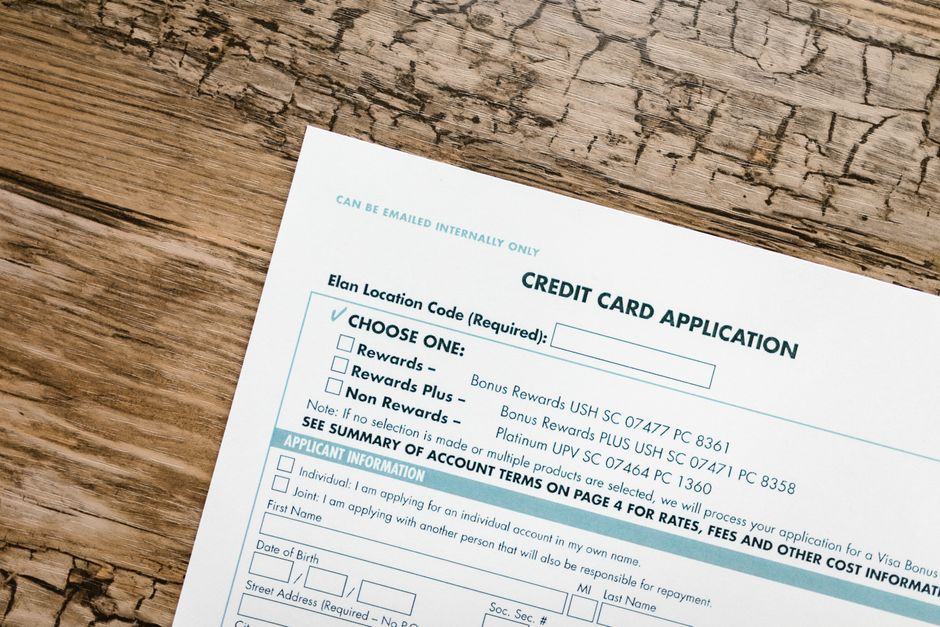
A hard inquiry typically occurs when you apply for a credit card, auto loan, mortgage, personal loan or sometimes an apartment lease. You generally have to authorize it, often by checking a box during the application process.
For most people, a single hard inquiry lowers a FICO score by fewer than five points. The effect is small because one application on its own says little about risk, but several in quick succession can add up and look like a scramble for credit.
Hard inquiries stay on your credit report for two years, yet FICO only factors them into your score for the first twelve months. After that, the entry is still visible to lenders but no longer pulls the number down.
Lenders reviewing an application may also read the inquiry list directly. A long string of recent card applications can make an underwriter hesitate even when the score itself looks strong, especially for premium cards with generous credit limits.
The good news is that inquiries make up a small slice of the overall formula. Payment history and utilization matter far more, so a well-managed profile easily absorbs the occasional application without any lasting harm.
Soft Inquiries You Never Need to Worry About
Checking your own score through a banking app, a free credit monitoring service or the bureaus directly counts as a soft inquiry. You can do it daily if you want, and it will never change your score by a single point.
Preapproval and prequalification offers are also generally based on soft pulls. When a card issuer mails you an offer or a website shows your odds of approval, it usually reviewed a limited version of your file without triggering a hard check.
Existing creditors periodically review your account through soft inquiries as well. Your card issuer may check your report to decide whether to raise your limit, adjust your rate or keep your account open, and none of that affects your score.
Many employers run background checks that include a version of your credit report, with your written permission. These are treated as soft inquiries and do not appear to lenders, although the employer may still consider what it sees.
Insurance companies and some utility or phone providers may also run soft checks when you sign up. Policies vary, so if you are unsure whether a request will be hard or soft, ask the company directly before you agree to it.
Rate Shopping Without Wrecking Your Credit
Scoring models recognize that comparing loan offers is smart behavior. For mortgages, auto loans and student loans, multiple hard inquiries made within a short shopping window are treated as a single inquiry for scoring purposes.
The exact window depends on the scoring model, ranging from 14 days in older versions to 45 days in newer ones. To stay safe, try to complete all of your rate comparisons within two weeks of the first application.
This protection does not apply to credit cards. Each card application is counted separately, so applying for three cards in a week can produce three distinct inquiries and a noticeably larger drop than one application would.
Before applying for a card, use the issuer prequalification tool when one is available. It will not guarantee approval, but it gives you a sense of your odds without risking a hard inquiry on an application likely to be denied.
Spacing out credit card applications by at least three to six months is a sensible habit. It gives each inquiry time to age, keeps your average account age healthier and shows lenders a calm, deliberate pattern of borrowing.
What to Do About Inquiries You Did Not Authorize
Review the inquiry section of your reports at least a few times a year. You can access free weekly reports from all three bureaus at AnnualCreditReport.com, which makes routine checks quick and costless.
If you spot a hard inquiry from a company you never applied with, contact the lender first and ask why it pulled your report. Sometimes the explanation is innocent, such as a dealership sending your application to several lenders on your behalf.
If the inquiry is genuinely unauthorized, file a dispute with the bureau that lists it. Bureaus must investigate, typically within 30 days, and remove information that cannot be verified as accurate and properly authorized.
An unfamiliar inquiry can also be an early warning sign of identity theft. In that case, consider placing a free credit freeze with each bureau, which blocks new lenders from accessing your file until you temporarily lift it yourself.
Inquiries are one of the easiest parts of your credit to manage once you understand the rules. Apply only when you need credit, shop rates within short windows and monitor your reports, and they will rarely become a problem.